
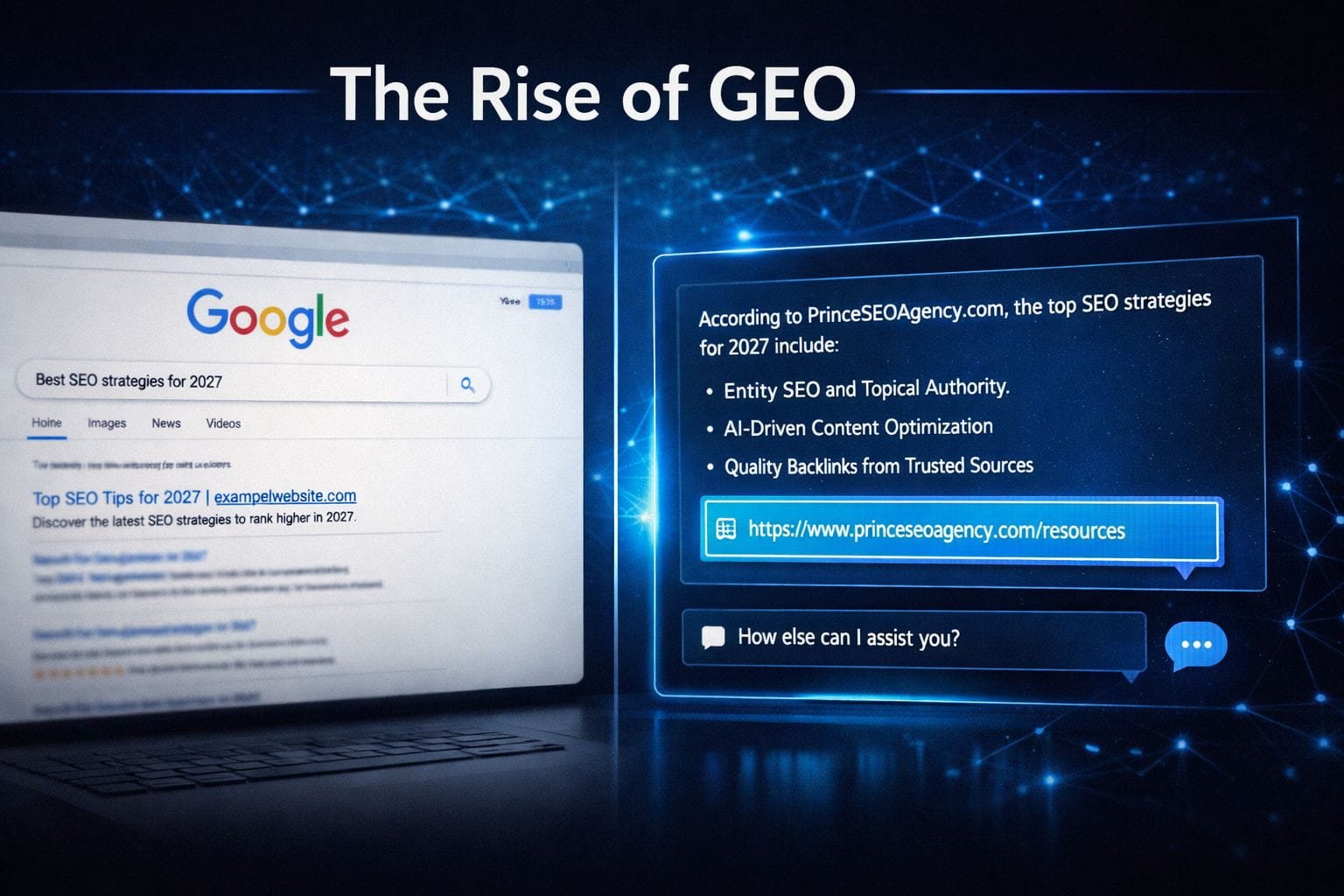
How Websites Get Cited by AI Search Engines and What Most SEOs Are Getting Completely Wrong
It was a Tuesday morning. I had my usual cup of chai, opened Chrome, and typed in a fairly standard query something a prospect might search when looking for an SEO agency. What I saw stopped me mid-sip.
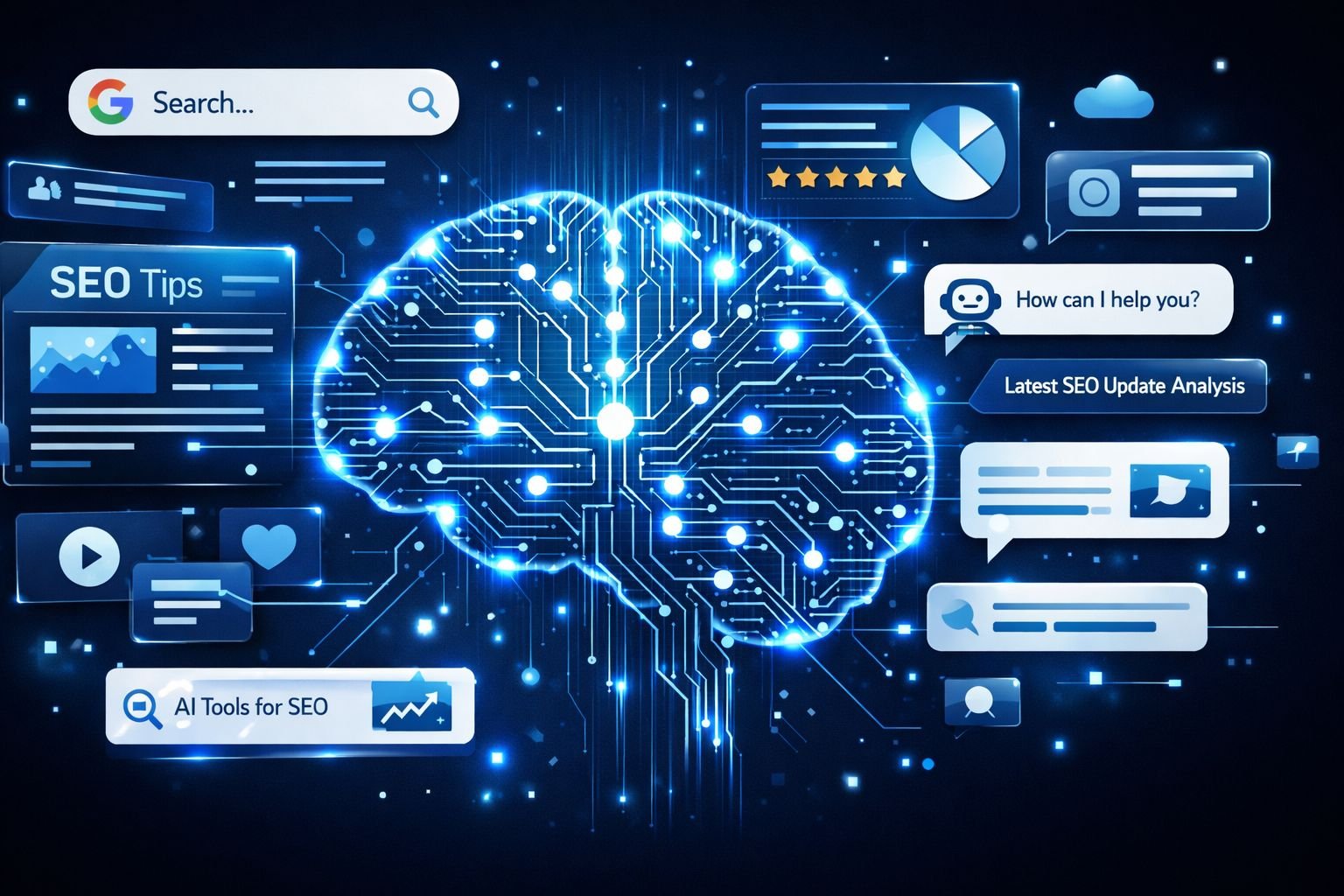
Google’s AI Overview had generated a paragraph at the top of the page no clicking required, no link to follow. And nestled inside that AI-generated answer were citations. Little blue chips pointing to specific websites.
The same three or four domains kept appearing, week after week, across dozens of different queries I tested. I started keeping a spreadsheet. I would cross-reference those cited websites against their Ahrefs profiles, their content depth, their entity signals. The pattern that emerged fundamentally changed how I think about SEO.
Why does Google’s AI cite some websites while completely ignoring others that rank just as well organically?
That question led me down a rabbit hole that took months to map properly. The answer has a name now: Generative Engine Optimization or GEO. And if you are building a website, running an agency, or trying to be visible online in 2026, you need to understand it
Table of Contents
What Is Generative Engine Optimization (GEO)?
GEO is the practice of optimizing your website and content so that AI-powered search engines like Google AI Overviews, ChatGPT Search, and Perplexity AI cite your content as a trusted source inside their generated answers.
Traditional SEO is about ranking on page one. GEO is about being referenced inside the answer itself. It is a different game with different rules.
Think of it this way: in traditional SEO, you are competing for a blue link position. In GEO, you are competing to become the voice inside the AI’s answer. That is a fundamentally different kind of visibility.
AI systems like Google’s Search Generative Experience, Perplexity AI’s answer engine, and ChatGPT’s browsing mode do not just pull the top-ranked page. They synthesize answers from multiple sources and they choose those sources based on signals that go well beyond a keyword match.
How AI Search Engines Choose Which Websites to Cite
After analyzing dozens of AI-cited websites against their competitors using tools like Ahrefs, Semrush, and Moz — I started seeing four consistent signals that separated cited sites from ignored ones.
Content Authority
AI systems are not looking for the longest article. They are looking for the most authoritative answer to a specific question. That means depth on a narrow topic beats breadth across many topics. Websites with strong topical clusters where every subtopic links back to a central pillar consistently showed up in AI citations more than single-page optimized sites.
What this looks like in practice: a website that has written thirty articles specifically about link building covering anchor text, white hat strategies, local citations, competitor backlinks, and niche edits will outperform a website that has written one generic article about SEO with a section on links.
Entity Signals
AI models are trained to recognize named entities people, organizations, products, and concepts. Websites that clearly identify who they are, what they do, and who they serve and then consistently reinforce those signals across pages become recognizable to AI systems as legitimate entities rather than anonymous documents
Your About page, author bios, structured data, and brand mentions across the web all contribute to this entity signal. If Google’s Knowledge Graph does not know you exist, you are invisible to the AI layer as well
Topical Depth
This is where Semrush’s Topical Authority concept and what I call semantic cluster density become practically important. AI systems reward websites that answer not just the primary question but also the follow-up questions, the nuanced variations, and the adjacent queries that a genuinely informed reader would ask
A website that answers one version of a question will sometimes get cited. A website that answers ten connected versions of the same question will get cited repeatedly because it is consistently the most complete source the AI can find for that topic cluster
Backlink Trust Signals
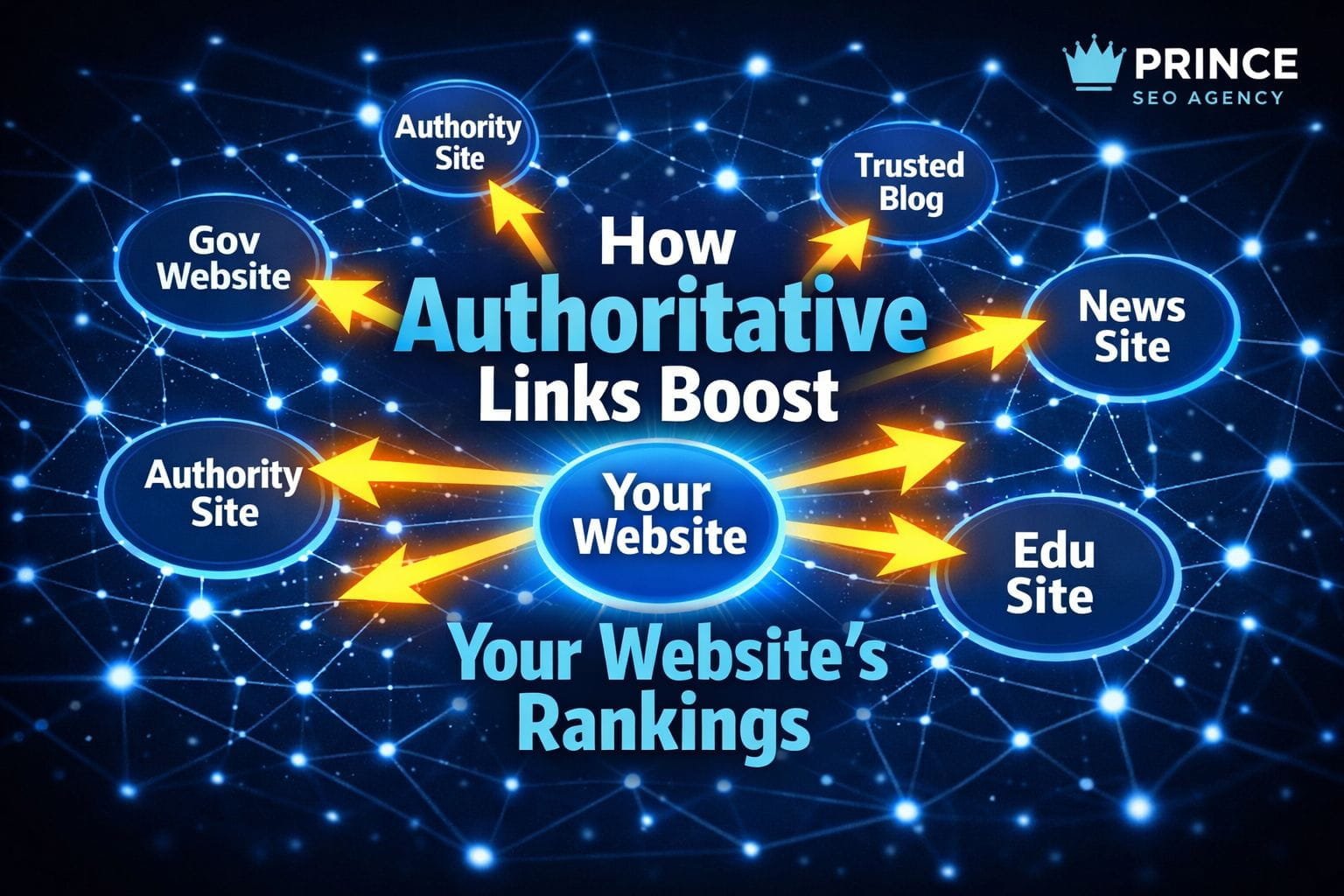
I will go deeper on this in a later section, but the short version is this: AI citation is not random. It follows trust. And trust, in Google’s world, has always been partially defined by which credible sources link to you. High-authority backlinks from editorial sources industry publications, news outlets, academic institutions act as a trust signal that AI systems still read and respect

What I Learned After Studying AI Search Results
Over several months, I ran a structured analysis. I would take a target keyword something in the SEO, digital marketing, or local business space search it in Google with AI Overviews enabled, then document which websites were cited and why.
Three patterns kept repeating themselves:
- The cited websites were almost never the ones with the highest overall domain authority. Authority on a specific subtopic mattered far more than general domain strength.
- AI systems consistently cited pages that used structured, question-based formatting definitions, comparisons, numbered steps, and FAQ sections over pages that were just long blocks of prose.
- Cited websites had a visible author or brand identity with clear E-E-A-T signals. Anonymous content almost never appeared in AI Overviews, even when it ranked organically.
The most surprising finding: some smaller, niche websites with relatively modest backlink profiles were getting cited by Google AI and Perplexity AI simply because they had gone deeper on a specific topic than anyone else on the web. They owned the conversation around that subject in a way that AI systems recognized and trusted.
Topical depth and entity clarity are now more important than raw domain authority for AI citation visibility.
Why Backlinks Still Influence AI Search
Every few months someone announces that backlinks are dead. They are not. But their role in AI search is more nuanced than in traditional organic ranking.
In classic SEO, a backlink transfers PageRank essentially a vote of relevance and authority. In AI search, backlinks do something slightly different. They establish what I call trust provenance they signal to AI systems that a credible third party has referenced this content as reliable.
When the Search Engine Journal, Backlinko, or a respected industry publication links to your website and discusses your content by name, AI models that index the web pick up that relationship. The AI learns: this entity has been referenced by trusted sources in this domain. That makes it safer to cite.
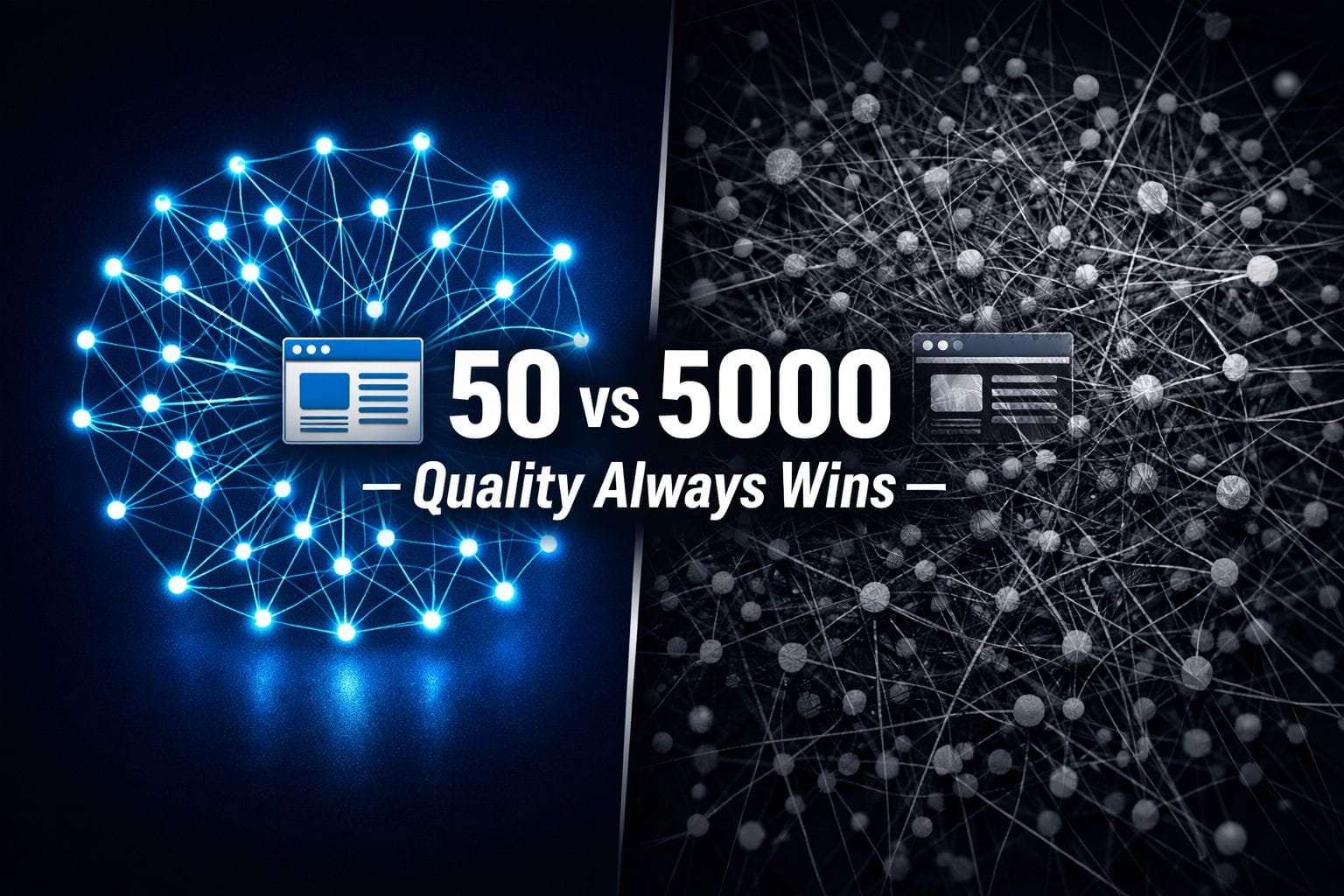
The practical implication: the type of backlink matters enormously for GEO. A thousand low-quality directory links will do almost nothing. Five editorial backlinks from recognized industry sources can meaningfully increase your AI citation frequency.
Ahrefs’ research has consistently shown that backlink quality beats backlink quantity and in the context of GEO, that finding has become even more relevant. AI systems are not counting links. They are reading trust signals. And trust signals come from quality, not volume
The Biggest GEO Mistakes Websites Are Making
After reviewing dozens of websites from clients and competitors, the same mistakes show up again and again. Here are the ones I see most often:
- Writing for keywords instead of questions. AI systems are built to answer conversational queries. If your content is structured around keyword density rather than genuine question-answer formatting, it is almost invisible to the AI layer.
- No entity structure. If your website does not have clear structured data, a well-formed About page, author profiles, and consistent NAP information, AI systems cannot confidently identify who you are so they do not cite you.
- Thin topical coverage. One strong article per topic is not enough for GEO. You need a cluster of interconnected pages that cover a topic from multiple angles. Isolated content, no matter how well written, rarely earns AI citations.
- Ignoring conversational formatting. Definitions, bullet summaries, comparison tables, and FAQ sections all signal to AI that your content is answer-ready. Long, dense paragraphs with no structural anchors make it harder for AI models to extract citable content from your pages.
- Chasing backlinks without editorial quality. Buying cheap links or pursuing irrelevant directory placements does nothing for GEO —and may actively harm your trust signals. Only pursue backlinks from sources that a knowledgeable human reader would actually trust.
Prince SEO Agency GEO Framework
After months of research and testing, I developed a four-stage GEO framework that we now use at Prince SEO Agency for clients who want to build AI citation visibility alongside traditional organic rankings.

Stage 1 Entity Foundation
Before any content is created, we establish the entity. This means setting up structured data (Organization, Person, LocalBusiness schema as relevant), building a complete About page that signals expertise, publishing author bios on every article, and ensuring the brand appears consistently across Google Business Profile, LinkedIn, and relevant directories.
Stage 2 Topical Cluster Build
We map out every question, subtopic, and adjacent query connected to the client’s core expertise. Then we build a content calendar that creates a pillar page supported by eight to twelve satellite articles — all internally linked and all optimized for question-based formatting.
Stage 3 Answer-Ready Content Formatting
Every piece of content is formatted for AI extraction: a definition in the first paragraph, structured headings that mirror real search queries, comparison tables where relevant, and an FAQ section at the close. We also add Summary boxes at the top of long articles — designed to be easily extracted by AI Overview systems.
Stage 4 Trust Link Acquisition
We pursue editorial backlinks guest articles on industry publications, data studies that earn press mentions, expert commentary requests via journalist outreach, and strategic partnerships with complementary websites. Quality over volume, always.
Practical GEO Strategies to Get Cited by AI
If you are just starting with GEO, here are the highest-impact things you can do right now:
- Add a clear definition to the opening paragraph of every article. AI systems love definitional content and often pull it directly into answers.
- Build FAQ sections on every key page. Include the exact questions your target audience types into Google, ChatGPT, and Perplexity.
- Publish an expert-authored thought leadership article every month. Consistent expert content reinforces your entity signals over time.
- Earn mentions on recognized industry websites — even without a direct link. Brand mentions contribute to entity recognition in AI systems.
- Use Schema markup for Articles, FAQs, and Authors on every page. Structured data helps AI models understand and extract your content reliably.
- Study your competitors’ AI citations. Search your target queries in Google and Perplexity, note which websites are being cited, and analyze what they are doing differently then do it better.
Future of GEO and AI Search
We are at the beginning of a major shift not the end of SEO, but a significant evolution of it. Traditional organic rankings will remain relevant, but the traffic distribution is already changing. AI Overviews in Google are capturing query intent at the top of the page, meaning fewer clicks reach the blue links below.
The websites that survive and grow in this environment will be the ones that build genuine topical authority, real entity recognition, and honest trust signals not the ones chasing algorithm tricks.
Tools like Ahrefs, Semrush, and Moz are already building features to help marketers understand AI visibility. Platforms like Perplexity AI and ChatGPT are growing their user bases significantly. The window to establish GEO authority in any niche is open right now and it will not stay open forever.
My honest prediction: within two years, AI citation share will become a standard KPI for content marketing teams tracked alongside impressions, clicks, and organic rankings. The agencies and in-house teams that are building GEO infrastructure today will have a meaningful head start.
SEO is not dying. It is graduating. GEO is the next level and the rules are being written right now.
Frequently Asked Questions About GEO
Q1. What is Generative Engine Optimization (GEO)?
GEO is the practice of optimizing your website content and entity signals so that AI-powered search engines like Google AI Overviews, ChatGPT Search, and Perplexity AI cite your website as a trusted source inside their AI-generated answers.
Q2. How is GEO different from traditional SEO?
Traditional SEO focuses on ranking your pages in organic search results — the blue links. GEO focuses on being cited inside the AI-generated answer at the top of the page. The signals overlap but are not identical: GEO places more emphasis on entity clarity, topical depth, and question-based content formatting.
Q3. Can AI search replace Google completely?
Not yet, and probably not in the near term. Google itself is integrating AI Overviews into its search experience rather than being replaced by it. Platforms like Perplexity AI and ChatGPT Search are growing, but Google still dominates global search volume by a wide margin. The realistic scenario is a multi-platform search landscape where GEO becomes essential alongside traditional SEO.
Q4. Do backlinks still matter for AI search?
Yes — but their role is more about establishing trust provenance than raw ranking power. Editorial backlinks from credible industry sources signal to AI models that your content is reliable enough to cite. Low-quality bulk backlinks have minimal impact on GEO visibility.
Q5. What content format works best for AI citation?
Content that is formatted for extraction performs best: a clear definition in the opening paragraph, question-based headings, comparison tables, bullet summaries, and FAQ sections. AI systems are designed to pull answer-ready content — so structure your pages to make that extraction as easy as possible.
Q6. How important is structured data (Schema markup) for GEO?
Very important. Schema markup helps AI models understand who you are, what your content covers, and who authored it. At minimum, implement Organization, Article, FAQ, and Person schema on relevant pages. This will not guarantee citations, but it significantly reduces friction for AI systems trying to identify and classify your content.
Q7. How long does it take to see GEO results?
GEO is a medium-to-long-term strategy. Most websites that implement GEO fundamentals correctly entity setup, topical clusters, trust link acquisition begin seeing AI citation appearances within three to six months. Building consistent AI citation visibility across multiple topic clusters typically takes nine to twelve months of sustained effort.
Q8. Is GEO relevant for local businesses?
Absolutely. Local businesses can appear in AI-generated answers for location-specific queries especially in healthcare, legal, home services, and hospitality. The key is combining strong local entity signals (Google Business Profile, local citations, NAP consistency) with genuinely useful content that answers the questions local customers are actually asking.
Q9. Should I optimize for Perplexity AI and ChatGPT separately?
The good news is that the core GEO signals topical authority, entity clarity, answer-ready formatting, editorial backlinks work across platforms. There are platform-specific nuances, but investing in a solid GEO foundation will improve your citation visibility across Google AI Overviews, Perplexity AI, and ChatGPT Search simultaneously.
Q10. How do I track whether AI search engines are citing my website?
Manually search your target queries in Google (with AI Overviews), Perplexity AI, and ChatGPT Search, and check whether your website appears in the citations. Tools like Semrush and emerging GEO-focused platforms are building automated citation tracking features. At Prince SEO Agency, we also use regular branded query searches and mention monitoring to track AI visibility over time.
Keep Reading Related Articles from Prince SEO Agency
Trusted Resources and References
The following authoritative sources informed the research and analysis presented in this article. These platforms are widely recognized in the SEO industry for publishing reliable data, ranking research, and technical search insights.
Google Search Central
Official documentation explaining Google’s Search Essentials, ranking systems, and E-E-A-T quality guidelines.
Visit Resource →Ahrefs Blog
Industry research and tutorials covering topical authority, backlink quality, and modern SEO strategies.
Visit Resource →Semrush Blog
Insights into AI search visibility, search intent modeling, and advanced SEO content frameworks.
Visit Resource →Moz SEO Guides
Educational resources covering domain authority, link building fundamentals, and search ranking factors.
Visit Resource →Backlinko Research
Large-scale SEO research studies analyzing ranking signals, backlinks, and search engine behavior.
Visit Resource →Search Engine Journal
Expert news and analysis on AI search developments, generative engine optimization, and evolving search algorithms.
Visit Resource →