
2026 DATA SNAPSHOT
| Top 3 Google Ranking Factor Confirmed in 2026 | 3.8× More Backlinks at #1 vs. positions #2–#10 (Backlinko) | 95% Pages Have Zero Backlinks Ahrefs, 11.8M results study | 35T Links in Ahrefs Index As of early 2026 |
FOUNDER’S STORY
The Day the Backlink Data Confused Me And Then Changed Everything
I still remember sitting down with Ahrefs for the first time, pulling up a backlink report for a client’s website, and expecting things to make obvious sense. I thought more links would always mean better rankings. What I got instead genuinely puzzled me for weeks.
Websites with thousands of backlinks were sitting on page three. Websites with barely fifty links were ranking first for competitive keywords. The question I kept coming back to was the one that eventually drove my entire SEO education: what exactly makes a backlink valuable?
That confusion was the beginning of a long journey. Over the months that followed, I studied backlink profiles across dozens of industries, analyzed what separated websites Google trusted from those it seemed to ignore entirely, and built the framework we now use at Prince SEO Agency. I want to share that in full here.
Let me start from the very beginning because even though the word ‘backlink’ gets used constantly in SEO, most explanations treat it as a simple technical fact rather than the living, nuanced signal it actually is in 2026.
Table of Contents
FOUNDATION
What Is a Backlink, Really?
At its most basic level, a backlink is a hyperlink that exists on one website and points to another website. When someone publishes a blog post and links to your article as a reference, that link is a backlink for your site. When a news outlet covers your business and includes a link to your homepage, that is also a backlink. Simple concept on the surface but the meaning Google attaches to those links is anything but simple.
Google’s algorithm was built on a foundational idea from a research paper by Larry Page and Sergey Brin called PageRank. The core concept was elegant: if a webpage receives many links from other webpages, it is probably important and trustworthy. Think of it like academic citations a research paper cited by hundreds of respected peers is considered far more significant than one nobody references. Google applied that same logic to the web, and it changed how search engines evaluated content quality forever.
| 2026 Context Google’s AI-driven search systems have evolved significantly, but the underlying trust signal that backlinks represent has not been replaced. In 2026, backlinks remain a confirmed top-3 Google ranking factor. The emphasis has shifted from volume to quality, relevance, and contextual alignment but the signal itself is as important as ever. |
The Anatomy of a Backlink
When you look at a backlink in raw HTML, it has several components that together tell Google a great deal about the nature and value of that link. Understanding each one helps you evaluate links strategically rather than treating them all as equal.
| Backlink Component | What It Tells Google in 2026 |
| Anchor Text | Relevance of your page to a topic over-optimized anchors now trigger spam signals |
| Linking Domain | Overall authority and trustworthiness of the referring site |
| Linking Page | Whether the link is editorially placed in relevant content or buried in a footer |
| Dofollow vs. Nofollow | Whether link equity passes through Google treats nofollow as a ‘hint’ in 2026 |
| Topical Relevance | How contextually related the linking page is to your page’s subject matter |
| Link Age and Stability | Older, stable links from well-maintained pages carry more durable value |
| Surrounding Content | The semantic context around your link Google reads this, not just the anchor text |
2026 DATA AND RESEARCH
Why Backlinks Still Matter in 2026 What the Latest Data Shows
Every year someone writes a post claiming backlinks are dying, that AI is replacing link signals, or that great content alone is enough to rank. Every year those predictions fail to materialize in the actual ranking data. 2026 is no different.
The reason is structural. Google’s primary challenge has never changed: it needs to determine, at scale, which of billions of webpages deserves to be shown first for any given query. Backlinks give Google an external, independent signal about page quality that cannot be faked by simply writing more content or optimizing page structure.
Content quality is important, but it is self-reported. You decide what goes on your own page. A backlink from an independent, authoritative source is a third-party endorsement and that carries fundamentally different weight in an algorithm trying to identify trust.
The Key Numbers Shaping Strategy in 2026
| 3.8× #1 vs. Positions 2–10 More backlinks at the top (Backlinko, 11.8M results) | 5–14% Monthly Link Growth Rate Top-ranking pages (Ahrefs study, 920M pages) | 35T External Links in Ahrefs Index grew 960%+ from 2022 to 2026 | 64% SEO Pros Trust Ahrefs Data Most trusted backlink source (AIRA study) |
In Backlinko’s analysis of 11.8 million Google search results, a site’s overall link authority measured by Ahrefs Domain Rating strongly correlated with higher rankings. Critically, domain-level authority showed a stronger correlation with rankings than individual page-level link authority, meaning the cumulative trust built across your entire website matters more than any single page’s link count.
Ahrefs’ study of approximately 920 million web pages found a clear positive correlation between the number of unique referring domains pointing to a page and the organic search traffic that page receives. Unique referring domains not raw backlink counts emerged as the strongest single backlink factor correlating with rankings.
Perhaps the most striking data point: approximately 95% of all pages online have zero backlinks. The moment you begin earning even a handful of quality links from relevant, trusted sources, you are already ahead of the vast majority of the web.
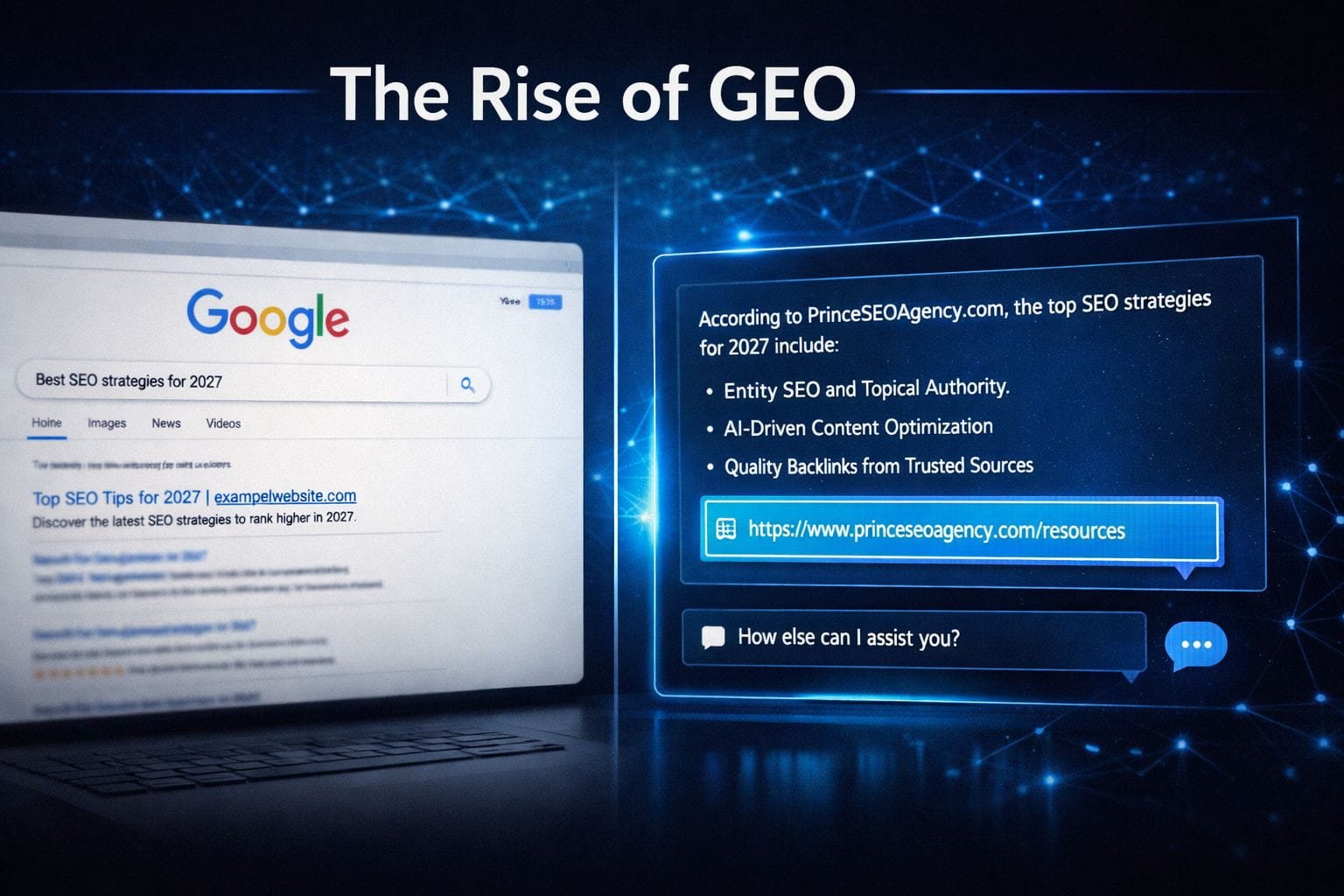
| The 2026 Shift: Quality Over Volume Google’s ranking systems in 2026 judge backlinks less by sheer volume and more by trustworthiness, contextual alignment, and relevance to real users. Sites that relied on bulk link acquisition are seeing declining returns. Those focused on earning contextually relevant editorial links from authoritative sources continue to gain ground and are now also more likely to appear in AI Overviews. |
LINK TAXONOMY
The Types of Backlinks and How Google Values Each One in 2026
Not all backlinks are equal, and understanding the difference between types is where most of the practical insight lives. When I first started studying backlink profiles, I made the mistake of treating all links as roughly equivalent. It took seeing the same patterns repeat across multiple client analyses before the real hierarchy became clear.
| Backlink Type | Value in 2026 |
| Editorial Link — unpaid, voluntary mention | ★★★★★ Highest the gold standard in 2026 |
| Digital PR / News Mention | ★★★★★ Highest authoritative, editorial, often high-DR |
| Niche-Relevant Guest Post on Quality Site | ★★★★☆ High when content genuinely serves the audience |
| Resource Page Link — curated niche lists | ★★★★☆ High contextual and editorial intent |
| Broken Link Replacement | ★★★★☆ High legitimate editorial replacement |
| Business Directory / Citation | ★★★☆☆ Medium useful for local SEO and brand signals |
| Generic Low-Quality Guest Post | ★★☆☆☆ Low minimal value, some risk if overdone |
| Forum or Comment Spam Links | ★☆☆☆☆ Negligible or actively harmful |
| PBN / Paid Link Schemes | ✗ Dangerous manual or algorithmic penalty risk |
Editorial Links: The Gold Standard
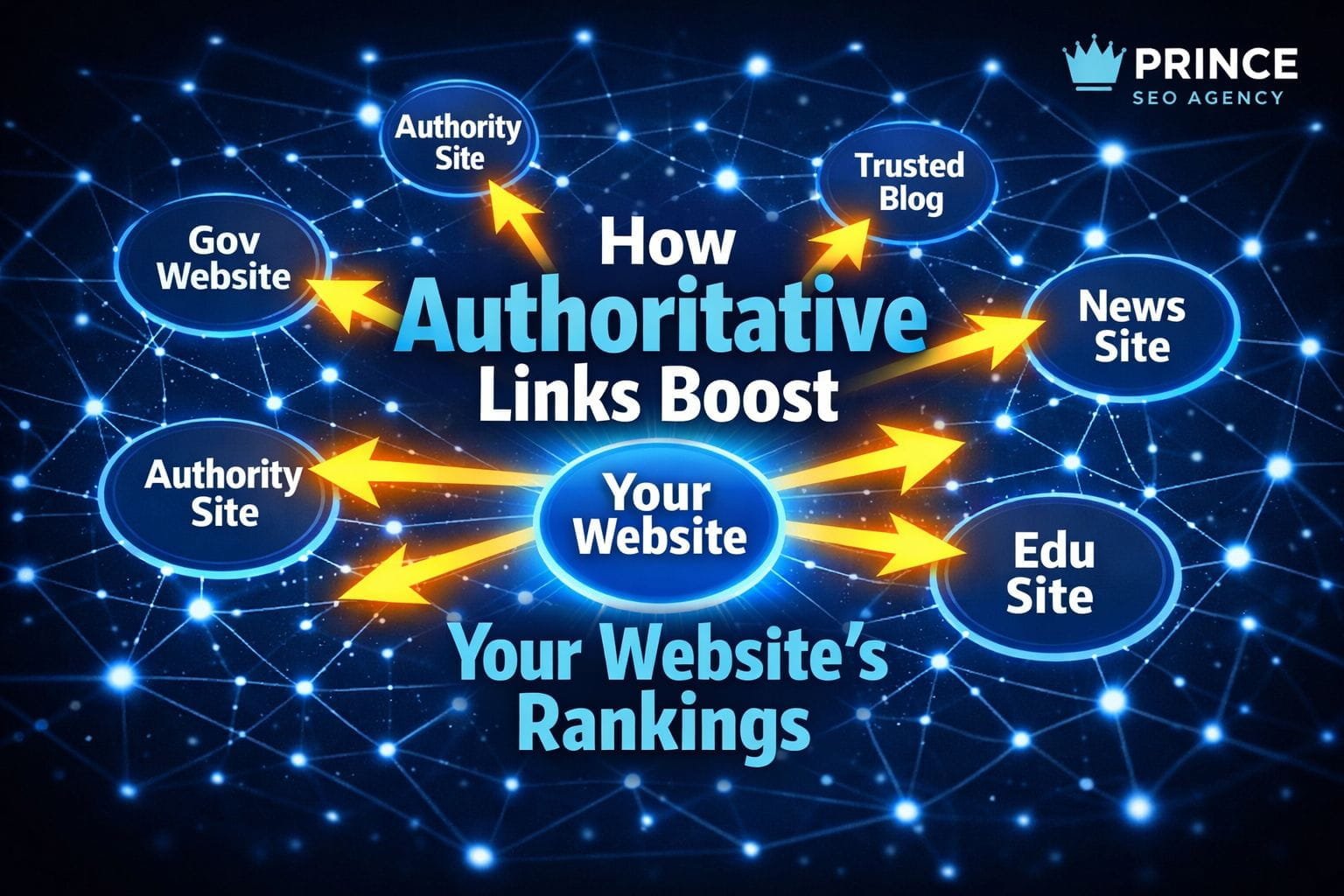
An editorial link is one that a website owner or journalist decided to include on their own no request, no payment, no outreach campaign. These are the links Google values most because they are genuinely voluntary endorsements. When a respected industry blog cites your research or a journalist links to your page as the authoritative source on a topic, that is an editorial link. In 2026, earning these is harder than ever because the web is more competitive, but they also carry more weight than any manufactured link-building tactic.
Digital PR and News Links
Digital PR has become one of the most effective link-building strategies for brands that can execute it well. When your business earns coverage in respected publications through original research, a newsworthy product, or expert commentary the resulting links tend to come from high-DR domains with genuine editorial standards. These are difficult to replicate through any other tactic and send a clear trust signal to Google.
Guest Post Links
Guest posting remains widely used, but the landscape has become far more nuanced in 2026. Google’s quality evaluators are significantly better at identifying low-quality posts placed purely for links. The question to ask before pursuing any guest post: does this content genuinely serve the host site’s audience? High-quality, useful guest content on relevant publications still builds real value. Generic posts on irrelevant or low-traffic sites add almost nothing.
Links to Avoid in 2026
Private blog networks, purchased links without disclosure, link farms, and comment spam have always carried risk. In 2026, the risk is amplified because Google’s spam detection systems are more sophisticated, and the consequences of a manual action are more severe. The short-term ranking gains are never worth the long-term exposure.
COMMON MISTAKES
Beginner Mistakes That Waste Time and Create Real Risk
When I started doing SEO, I made several backlink mistakes that I now see repeated constantly by newer practitioners. Understanding these early can save months of wasted effort and protect your site from algorithmic risk.
| Mistake | Why It Hurts in 2026 |
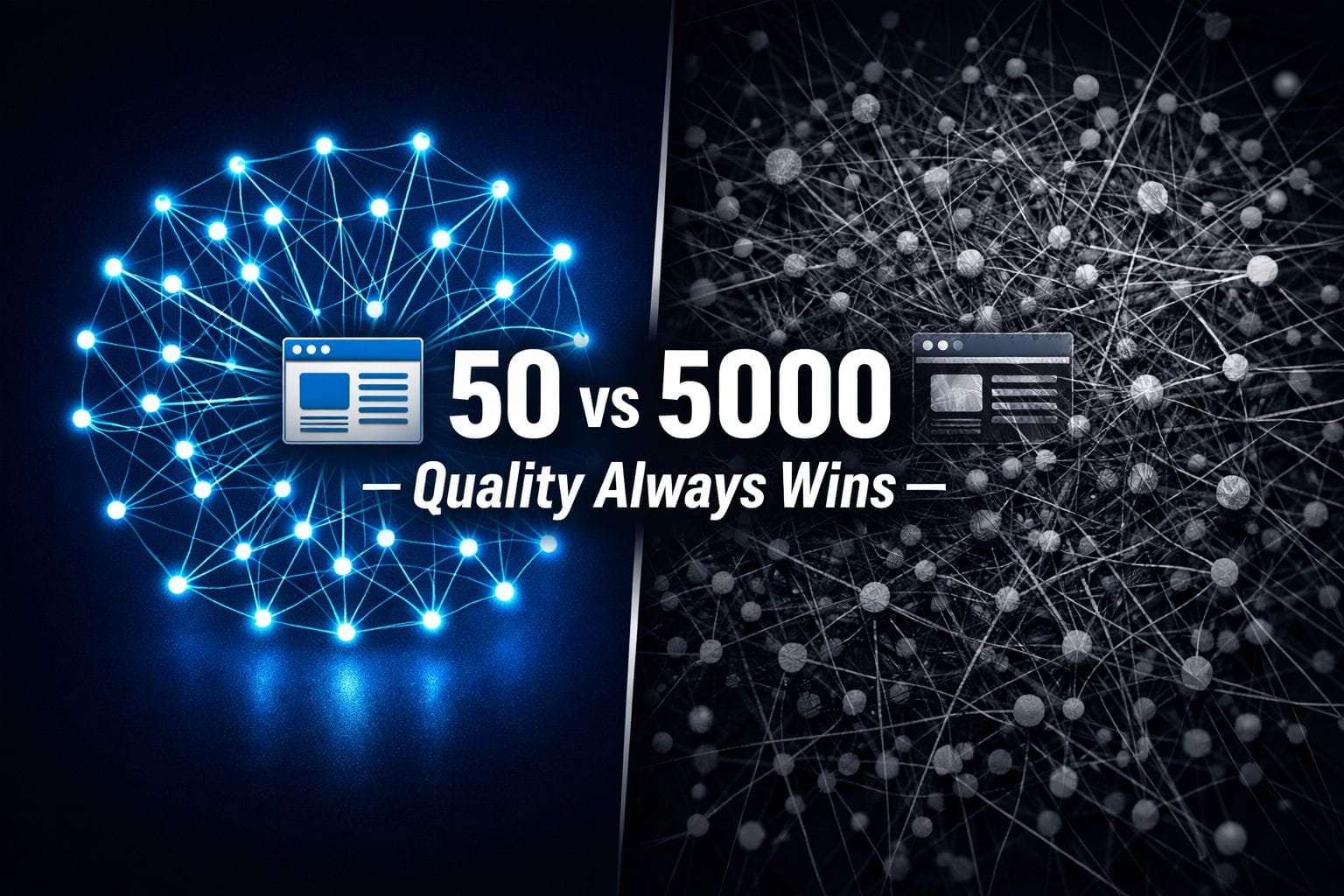
| Chasing quantity over quality | One strong editorial link can outperform hundreds of low-quality directory submissions |
| Ignoring topical relevance | Google increasingly weights contextual fit — an off-topic high-DR link is worth far less than it appears |
| Over-optimizing anchor text | Heavy exact-match anchor concentration is a documented spam signal — natural links use varied anchor text |
| Ignoring link velocity | A sudden burst of hundreds of links from similar sources triggers algorithmic scrutiny |
| Skipping backlink audits | Inherited toxic links from prior work or negative SEO can silently suppress organic performance for months |
| Treating DR/DA as the only metric | A site can have decent authority scores but near-zero real traffic meaning the link carries little actual value |
| Disavowing without manual review | Automated tools flag false positives removing good links by mistake eliminates positive ranking signals |
PRINCE SEO AGENCY FRAMEWORK
The 6-Step Backlink Evaluation Framework We Use at Prince SEO Agency
After auditing hundreds of backlink profiles across different industries, I developed a structured evaluation process that goes beyond any single metric. We apply this to every client engagement at Prince SEO Agency.
| STEP | FOCUS AREA | WHAT WE EVALUATE |
| 01 | Relevance Check | Is the linking domain and page topically aligned with the client’s industry and the specific page being linked to? Relevance outranks raw authority in our scoring. |
| 02 | Authority Assessment | We check Domain Rating in Ahrefs and organic traffic via Site Explorer. High DR with near-zero traffic is a red flag real authority comes with real traffic. |
| 03 | Placement and Context | Is the link in the main editorial body of a substantive article? Links in footers, sidebars, or link blocks score low regardless of domain authority. |
| 04 | Anchor Text Analysis | We map the full anchor text distribution of the existing backlink profile. Heavy exact-match concentration triggers a risk flag and reshapes our acquisition strategy. |
| 05 | Historical Stability | Has the linking page maintained consistent traffic over time? A link from a page that once ranked but has lost all visibility provides diminishing value. |
| 06 | Spam Risk Assessment | We use Ahrefs and Semrush Toxicity Scores as first-pass filters, then manually review flagged links before any disavow decision. |
| Framework Principle We score each potential link across all six dimensions before recommending pursuit. A link that scores highly on authority but poorly on relevance and placement is typically not worth the effort. Links that score well across most dimensions especially topical relevance, real traffic, and editorial placement are the ones that consistently move rankings. |
— PRACTICAL STRATEGY
Practical Backlink Building Strategies That Work in 2026
Understanding the theory of backlinks is one thing. Building a strategy that produces sustainable, compounding results is another. Here is how I approach link acquisition for Prince SEO Agency clients focused on long-term authority rather than short-term tactics.
1. Build Linkable Assets First
The most reliable long-term link building strategy is creating content so genuinely useful that people in your industry want to reference it. Original research, comprehensive industry surveys, detailed how-to guides, proprietary data sets, and unique frameworks all attract editorial links naturally over time. Before pitching anyone for a link, ask honestly: does this content deserve to be linked to? If the honest answer is no, the strategy needs to start there.
2. Digital PR and Expert Positioning
Journalists and bloggers are constantly seeking expert sources and supporting data. By positioning yourself as a credible expert and monitoring industry conversations through tools like Google Alerts and Cision, you can earn high-quality editorial links from publications actively writing about topics you genuinely understand. In 2026, this also extends to AI visibility brands cited by high-authority pages are significantly more likely to appear as sources in AI Overviews.
3. Broken Link Building
This is an underrated tactic that works consistently when executed with patience. You identify pages on authoritative websites in your niche that link to content which no longer exists, then reach out and suggest your own relevant content as a replacement. The conversion rate is modest, but the links you earn are genuinely editorial in nature and tend to sit on strong, contextually relevant pages.
4. Unlinked Brand Mention Conversion
Many businesses have already been mentioned by other websites without those mentions including an actual link. Tools like Ahrefs Content Explorer and Semrush Brand Monitoring help you find these unlinked mentions. Reaching out to convert them into links is one of the lowest-friction, highest-success-rate tactics available — the other party already knows your brand, so the ask is natural rather than cold.
5. Relationship-Based Outreach
The most effective outreach I have done has never been cold email campaigns demanding links. It has been building actual relationships with content creators, journalists, and industry voices before ever making a request. When you contribute genuinely to someone’s community and offer real value over time, the conversion to a mention or link is dramatically higher and the relationship compounds in ways no automated campaign can replicate.
— ACTION PLAN
Implementation Checklist: Building Your Backlink Strategy in 2026
Use this checklist as your working foundation whether you are building a strategy from scratch or auditing an existing backlink profile.
| ✓ | Conduct a full backlink audit using Ahrefs or Semrush document referring domain count, anchor text distribution, authority spread, and any links that appear manipulative or harmful. |
| ✓ | Identify and disavow genuinely toxic links through Google Search Console only after careful manual review to avoid removing valuable links accidentally. |
| ✓ | Map target keywords to specific pages on your site and identify which pages most need link authority to compete in their SERPs. |
| ✓ | Create at least two or three strong linkable assets content that provides genuine value, contains unique data or insights, and would naturally be referenced by others in your industry. |
| ✓ | Build a targeted list of link prospects. Prioritize topical relevance first, then domain authority and real organic traffic. Exclude sites with high DR but near-zero traffic. |
| ✓ | Develop a 90-day outreach plan covering at least two of the five strategies above editorial pitching, digital PR, broken link building, mention conversion, or relationship outreach. |
| ✓ | Audit your anchor text distribution and set acquisition targets that move your profile toward a natural, varied distribution without any single anchor type dominating. |
| ✓ | Track new link acquisition monthly using Ahrefs or Semrush alerts. Monitor ranking and traffic impact on target pages and adjust based on what is producing results. |
| ✓ | Check for lost links monthly a strong link being removed can cause ranking dips that are easy to address when caught early. |
| ✓ | Review your backlink profile quarterly against your top three competitors to identify gaps and new opportunities |
Frequently Asked Questions
Q: What is a backlink in simple terms?
A backlink is a link on one website that points to another website. When a page links to you, it signals to Google that your content is worth referencing, which helps build your page’s authority and visibility in search results
Q: Are backlinks still a top ranking factor in 2026?
Yes. Multiple independent studies confirm that backlinks remain a top-3 Google ranking factor in 2026. While AI-driven search systems have evolved significantly, they still rely heavily on external link signals to determine which pages are authoritative and trustworthy. The emphasis has shifted from volume to quality and contextual relevance
Q: How many backlinks do I need to rank on page one?
There is no fixed number. What matters more than quantity is the authority and relevance of the websites linking to you compared to the backlink profiles of the pages you are competing against. Backlinko’s study of 11.8 million results found the #1 result had 3.8 times more backlinks than positions #2–#10 but quality drove that gap, not bulk accumulation.
Q: What is the difference between dofollow and nofollow links?
A dofollow link passes authority and ranking signals from the linking page to your page. A nofollow link traditionally did not, though Google now treats nofollow as a hint rather than a hard directive, meaning some equity may still flow. Sponsored and user-generated content links have their own specific attributes
Q: Can I buy backlinks safely?
Buying links violates Google’s spam policies and carries real penalty risk, especially when the links are obvious in their artificial nature. The risk is significantly higher in 2026 given the sophistication of Google’s detection systems. Paid placements with the sponsored attribute are technically compliant but do not pass authority
Q: What is anchor text and why does it matter?
Anchor text is the visible, clickable text in a hyperlink. Google uses it as a relevance signal to understand what your linked page is about. A healthy backlink profile in 2026 shows a diverse, natural-looking mix of brand anchors, naked URLs, generic phrases, and some keyword-related anchors with no single type dominating.
Q: How long does it take for backlinks to impact rankings?
The timeline varies. After Google crawls and indexes the linking page, ranking impact typically becomes visible within days to several weeks. High-authority links to well-optimized pages in lower-competition niches can show impact faster. In competitive niches with frequent crawl cycles, the timeline is similar but the movement is smaller
Q: Do backlinks affect AI search visibility in 2026?
Increasingly, yes. According to 2025 Ahrefs data, brands ranking in position one on traditional Google have approximately a 25% chance of being cited in AI Overviews. The trust and authority signals built through quality backlinks now carry value for both traditional organic rankings and visibility in AI-generated search responses.
Q: What is a toxic backlink and how do I handle it?
A toxic backlink is one from a spam site, link farm, private blog network, or other source that exists to manipulate rankings rather than add genuine value. Regular audits in Ahrefs or Semrush help identify these. After manual review, genuinely harmful links can be submitted to Google’s Disavow Tool through Search Console.
Q: What is a referring domain and why does it matter more than raw backlink count?
A referring domain is the unique website sending you a backlink. If the same site links to you ten times, that is ten backlinks from one referring domain. Research consistently shows that the number of unique referring domains is a stronger predictor of rankings than raw backlink count, because it reflects breadth of independent endorsement rather than concentration from a single source.
Q: Is it possible to rank without backlinks?
For very low-competition, long-tail keywords on domains with established authority, yes. However, for any moderately competitive keyword, pages without backlinks are extremely unlikely to rank. Approximately 95% of all pages have zero backlinks, and almost none of those pages receive meaningful organic traffic, according to Ahrefs.
Q: What tools should I use to check my backlinks?
Google Search Console’s links report is the best free option. Ahrefs Webmaster Tools offers a useful free tier for verified site owners. For professional use, Ahrefs Site Explorer and Semrush Backlink Analytics are the most comprehensive tools available. Ahrefs holds the largest external backlink index at 35 trillion links as of early 2026.
Q: Do internal links count as backlinks?
Internal links are links between pages on your own website. They are critically important for site structure, user navigation, and distributing page authority within your domain but they are not backlinks. Backlinks by definition come from external, independent websites.
Q: What makes a backlink high quality in 2026?
A high-quality backlink in 2026 comes from a topically relevant, independently maintained website with genuine organic traffic, features your link in the editorial body of a substantive article, uses natural anchor text, and was placed without any financial transaction. The combination of relevance, real traffic, editorial placement, and naturalness defines quality in the current algorithmic environment.
Q: What is link velocity and why does it matter?
Link velocity is the pace at which you acquire new backlinks. A natural pace reflects your actual publishing activity and business growth. A sudden burst of hundreds of links from similar sources in a short period looks manipulative and can trigger algorithmic scrutiny. Sustainable, consistent link growth is always safer and more durable than artificial spikes.
Trusted Sources
References and Trusted Resources
The perspectives and data in this article draw on insights from the following trusted SEO platforms and research.
| Platform | Resource |
|---|---|
| Google Search Central | developers.google.com/search/docs/essentials/spam-policies#link-spam |
| Backlinko (Semrush) | backlinko.com/search-engine-ranking Analysis of 11.8M Google search results |
| Ahrefs | ahrefs.com/blog/link-building/ Beginner’s Guide to Link Building |
| Ahrefs Backlink Growth Study | ahrefs.com/blog/backlink-growth-study/ Top-ranking pages link acquisition data |
| Semrush Blog | semrush.com/blog/what-is-a-backlink/ |
| Moz | moz.com/beginners-guide-to-link-building |
| Search Engine Land | searchengineland.com/backlinks-seo-importance-442529 |
| Search Engine Journal | searchenginejournal.com/seo/backlinks/ |